FOLLOW US

SEARCH SITE BY TYPING (ESC TO CLOSE)

7167 S U.S. Hwy 1, Port St. Lucie, FL 34952
+1(772) 776-0200

Skip to Content

About: Affordable Weddings Plus Events

Recent Posts by Affordable Weddings Plus Events

The Power of Feedback: How to Measure Your Corporate Event’s Success

The Power of Feedback: How to Measure Your Corporate Event’s Success


Hosting a corporate event requires meticulous planning and execution, but the job isn’t over when the last attendee leaves. To truly measure the success of your event and refine your approach for the future, gathering feedback and assessing key performance indicators (KPIs) is crucial. By implementing an effective feedback and follow-up process, you can identify what worked, what didn’t, and how to improve future events.

Here’s a guide to evaluating the success of your corporate event and gathering useful insights for continuous improvement.

1. Set Clear Goals and KPIs Before the Event

Before you can measure the success of your event, you need to define what success looks like. Setting clear, measurable goals aligned with your event’s objectives is the first step.

  • Attendance: Did you meet or exceed your target number of attendees?
  • Engagement: How actively did attendees participate in sessions, workshops, or networking activities?
  • Brand Awareness: Did your event help increase brand recognition or positive sentiment?
  • Lead Generation: For product launches or business development events, how many leads or new contacts were generated?

Tracking these KPIs will allow you to compare the event’s performance against expectations and give you a baseline for future improvements.

2. Post-Event Surveys

Surveys are one of the most straightforward and effective methods to gather feedback from attendees. These can be conducted digitally through emails or mobile apps, and they should be sent within 24-48 hours of the event while the experience is still fresh in participants’ minds.

Tips for Crafting Effective Post-Event Surveys:

  • Keep it short: Aim for brevity to ensure more responses. A five-minute survey with 5-10 questions is ideal.
  • Ask specific questions: Include questions about the overall experience, the quality of presentations, venue satisfaction, and networking opportunities.
    • Example: “How would you rate the speaker’s presentation?” or “Was the event schedule well-organized?”
  • Incorporate open-ended questions: Give attendees space to provide qualitative feedback. For example, ask: “What did you enjoy the most?” or “What could we improve for next time?”

Pro Tip: Use a mix of quantitative (rating scales, yes/no questions) and qualitative (open-ended) questions for balanced insights.

3. On-Site Feedback Tools

Incorporating feedback collection into the event itself can lead to more immediate and authentic responses. This method captures attendees’ real-time thoughts, which may highlight issues or successes that post-event surveys miss.

On-Site Feedback Tools to Consider:

  • Interactive Polls and Live Q&A: Use mobile apps or audience engagement platforms to poll participants during sessions.
  • Feedback Kiosks: Place digital kiosks or tablets around the event venue, prompting attendees to rate specific sessions or aspects of the event.
  • Paper Feedback Forms: If digital tools aren’t ideal for your audience, distribute simple feedback forms for attendees to fill out before leaving.

Pro Tip: During breakout sessions or networking events, encourage facilitators or moderators to ask attendees for verbal feedback.

4. Monitor Social Media Engagement

Social media can provide a wealth of insight into how attendees felt about the event. Track event-related hashtags, mentions, and posts to get an organic view of attendee sentiment.

Methods to Gauge Social Media Engagement:

  • Hashtags: Monitor event-specific hashtags to see what attendees are sharing.
  • Likes, Comments, and Shares: Assess the level of engagement with event content posted by your company or attendees.
  • Sentiment Analysis: Identify positive, negative, or neutral sentiments expressed by attendees on platforms like Twitter, LinkedIn, or Instagram.

Pro Tip: Use social media listening tools (like Hootsuite or Brandwatch) to automate and streamline the tracking process.

5. Engage with Attendees Through Post-Event Emails

A well-crafted post-event follow-up email serves two purposes: thanking attendees for their participation and subtly gathering more feedback. It’s also an opportunity to maintain communication and nurture relationships with your audience.

What to Include in a Post-Event Follow-Up Email:

  • Gratitude: Thank attendees for their time and contribution to the event.
  • Survey Link: Include a link to the post-event survey, and highlight that their feedback is valued.
  • Event Highlights: Share key moments, photos, or a summary of the event.
  • Future Engagement: Provide information about future events or additional resources that may interest them.

Pro Tip: Offer a small incentive (like a discount code, free resource, or entry into a prize draw) to encourage more participants to complete your survey.

6. Analyze Event Data and Metrics

Leverage data to quantitatively assess the success of your event. Use event management platforms, ticketing systems, and attendee registration tools to access data that can provide valuable insights.

Key Metrics to Review:

  • Registration vs. Attendance: How many people registered, and how many attended? This can indicate whether your marketing was effective in attracting attendees and whether you need to address issues that may have led to drop-offs.
  • Engagement Rate: Track session attendance, participation in workshops, and interactions with exhibitors or sponsors to gauge overall engagement.
  • Cost per Lead/Attendee: Calculate how much you spent per attendee and determine whether the event provided a good return on investment (ROI).
  • Conversion Rate: For product launches or business development events, track how many leads were converted into sales or partnerships.

Pro Tip: Use event software tools (like Eventbrite, Cvent, or Bizzabo) that offer in-depth analytics and reporting features to streamline this process.

7. Gather Feedback from Speakers and Staff

Don’t limit your feedback to just the attendees. Speakers, sponsors, and event staff can provide critical insights into how smoothly the event ran and areas that could be improved from an operational standpoint.

What to Ask Your Team:

  • Logistics: Were the set-up and coordination well-organized?
  • Technology: Did the AV or tech equipment function smoothly, or were there issues that impacted the event?
  • Overall Experience: Ask for their overall impressions of the event, as they may notice things attendees do not.

Pro Tip: Conduct a quick debrief with your team immediately after the event while memories are still fresh, or send out a short feedback form.

8. Long-Term Follow-Up

In addition to post-event surveys and immediate feedback, consider sending a long-term follow-up a few weeks after the event to gauge lasting impressions and outcomes. This can help measure whether the event had a meaningful impact on attendees’ professional development, lead generation, or other key objectives.

Examples of Long-Term Follow-Up:

  • Email Campaign: Check in with attendees to see if they’ve taken any actions or made any connections as a result of the event.
  • Case Studies: For corporate clients, you can even offer to develop a case study based on their participation, showcasing the event’s impact on their business or networking efforts.

Pro Tip: Use the insights gathered from this follow-up to improve future events, from networking formats to content quality.

Conclusion

Measuring the success of your corporate event and gathering feedback isn’t just about tallying numbers. It’s about gaining a deeper understanding of how well your event met its goals, delivered value to attendees, and identified areas for improvement. By setting clear KPIs, collecting immediate and long-term feedback, analyzing event data, and listening to both attendees and internal teams, you can continuously enhance your corporate events and create even more engaging, successful functions in the future.
READ MORE

Adaptable Event Hall Setups: Perfecting Layouts for Corporate Functions

Adaptable Event Hall Setups: Perfecting Layouts for Corporate Functions


The setup of an event hall plays a critical role in shaping the atmosphere, engagement, and success of corporate events. Whether you’re hosting a large conference, an intimate workshop, or an energizing team-building activity, the configuration of your event space can make a big difference. Customizing your event hall to suit the specific needs of each corporate event ensures that you create an experience that aligns with your goals and provides comfort and functionality for your attendees.

Here are some ideas for configuring your event hall for different types of corporate events:

1. Conferences and Seminars: Theater-Style Setup

For conferences, seminars, or keynote speeches, a theater-style setup is ideal. This classic layout, with rows of chairs facing the stage or speaker area, maximizes seating capacity while focusing attention on the presentation.

  • Benefits: This configuration is perfect for large audiences where attendees will be primarily focused on a central speaker or panel discussion. It fosters a more formal, attentive atmosphere.
  • Tips: Ensure there is clear sightline visibility from every seat by using elevated platforms for speakers and large screens for presentations. For larger events, place projectors at strategic points around the room to keep visuals accessible to all.
  • Additional Considerations: Create a separate area outside the hall for networking breaks, refreshments, and check-ins to avoid disrupting the seated session.

Pro Tip: If your event has breakout sessions, include a partition or separate space for these smaller group discussions to maintain intimacy.

2. Workshops and Training Sessions: Classroom-Style Setup

Workshops, training sessions, and educational events benefit from a classroom-style setup, where chairs and tables are arranged in rows or long rectangles. This layout offers a balance between focus on the speaker and space for interactive learning.

  • Benefits: This setup encourages note-taking, hands-on participation, and engagement with learning materials, making it perfect for training or workshops. Tables give attendees space to work on laptops, take notes, or participate in activities.
  • Tips: Keep the group size in mind to avoid cramming too many attendees into one room. Allow enough table space per person for comfort and easy movement.
  • Additional Considerations: Provide well-placed power outlets or charging stations to ensure that attendees can keep their devices charged during longer training sessions.

Pro Tip: Enhance the interactivity of your workshop by incorporating small group discussions, and consider using modular furniture that can be easily reconfigured for different group sizes.

3. Board Meetings and Executive Retreats: U-Shape or Hollow-Square Setup

For more intimate gatherings such as board meetings or executive retreats, a U-shape or hollow-square setup fosters communication and collaboration. Tables are arranged in a U or square formation, allowing participants to see and interact with each other easily.

  • Benefits: This layout is ideal for smaller, more formal corporate meetings where interaction among participants is key. It encourages open dialogue, making it perfect for discussions, brainstorming sessions, and strategic planning.
  • Tips: Ensure the meeting space is equipped with AV technology such as microphones and projectors for presentations. Make sure the seating is comfortable and that everyone has enough table space for documents, laptops, or tablets.
  • Additional Considerations: Incorporate a small refreshment station or water service to keep attendees comfortable without requiring breaks.

Pro Tip: If the meeting involves confidential information, ensure the room has appropriate soundproofing or privacy features to maintain discretion.

4. Team-Building Events: Open or Activity-Based Setup

Team-building events require flexibility and room for movement. An open layout with clusters of seating, stations, or activity areas allows for maximum interaction, creativity, and fun.

  • Benefits: This layout is highly adaptable, providing ample space for activities like games, challenges, or group exercises. It encourages team interaction and collaboration.
  • Tips: Create different zones for various activities, using dividers or signs to guide participants. For example, you can set up a brainstorming area, a game zone, and a refreshment area.
  • Additional Considerations: Make the space feel more relaxed and energizing by incorporating comfortable seating, bean bags, or even standing desks. Ensure there is ample space for movement-based activities like relay races or obstacle courses if needed.

Pro Tip: Incorporate interactive stations or team challenges that require participants to move around the room, fostering team interaction and engagement.

5. Networking Events and Cocktail Receptions: Lounge-Style Setup

For more informal corporate gatherings, such as networking events, cocktail receptions, or product launch parties, a lounge-style setup works well. This arrangement includes clusters of comfortable seating areas mixed with high-top tables and open spaces for mingling.

  • Benefits: The relaxed, informal nature of this setup encourages networking and conversation. High-top tables encourage guests to stand and chat, while lounge areas provide space for longer conversations.
  • Tips: Scatter seating areas throughout the event hall to prevent bottlenecks and create multiple spaces for guests to gather. Incorporate standing cocktail tables and strategically placed bars or refreshment stations for convenience.
  • Additional Considerations: Lighting and background music play a key role in setting the ambiance. Opt for warm, inviting lighting and low background music to create an atmosphere conducive to conversation.

Pro Tip: Arrange focal points, such as branded backdrops or interactive displays, where guests can gather for photos or conversations, adding a fun and engaging element to the event.

6. Product Launches and Demos: Stage and Showcase Setup

Product launch events or demos require a stage and showcase setup, where the main product or presentation area is the focal point, often paired with product display tables or stands around the room.

  • Benefits: This setup allows for a dramatic reveal of the product and plenty of space for attendees to interact with and view the product. It’s perfect for making a statement and offering hands-on experiences.
  • Tips: Ensure the stage area is well-lit, and consider using AV technology such as projectors or large screens to highlight product features. Provide ample space around the product showcase areas for attendees to circulate.
  • Additional Considerations: Include branded signage, promotional materials, and swag stations to reinforce the company’s message and give attendees a memorable takeaway.

Pro Tip: Provide interactive stations where attendees can test or engage with the product directly, encouraging hands-on involvement and feedback.

7. Hybrid Events: Dual Setup for In-Person and Virtual Audiences

For events with both in-person and virtual attendees, a hybrid setup requires the right technology and logistics to ensure both audiences are engaged. In this case, you’ll need to configure seating for the in-person audience while setting up streaming technology for virtual participants.

  • Benefits: Hybrid events extend the reach of your corporate event, allowing people to participate from anywhere while maintaining the energy of an in-person event.
  • Tips: Position cameras strategically to capture both the speakers and the audience, ensuring an engaging virtual experience. Designate an area for tech support to handle any issues with streaming or AV equipment.
  • Additional Considerations: Use large screens to display virtual attendees, enabling interaction between the two groups. Ensure there’s a strong, reliable internet connection to prevent disruptions.

Pro Tip: Offer ways for virtual attendees to participate in live polls, Q&A sessions, or discussions to make them feel like an active part of the event.

Conclusion

The key to hosting a successful corporate event lies in customizing the setup of your event hall to match the goals and format of the event. By thoughtfully arranging the space—whether it’s for a large conference, a hands-on workshop, or an interactive team-building session—you can create a professional, engaging, and comfortable environment that enhances the experience for your attendees.

With the right layout and setup, your corporate event hall can adapt to any type of corporate function, ensuring that every event runs smoothly and leaves a lasting positive impression on all who attend.

READ MORE

Guest-Centric Planning: How to Create a Flawless Corporate Event Experience

Guest-Centric Planning: How to Create a Flawless Corporate Event Experience

Ensuring a smooth, enjoyable experience for your corporate event guests is essential to its success. A seamless event not only leaves a positive impression on attendees but also enhances engagement and fosters valuable connections. Here are key tips to help you plan and execute a flawless corporate event that your guests will appreciate from start to finish.

1. Clear and Early Communication

Effective communication is crucial for setting expectations and keeping your guests informed:

  • Early Invitations: Send out invitations well in advance, allowing guests ample time to plan. Include all necessary details like event date, time, location, and RSVP instructions.
  • Reminders: Send follow-up reminders leading up to the event with key information such as parking directions, dress code, and the event agenda.
  • Digital Convenience: Use digital invitations and email reminders for easy access and efficiency. An event app can also help guests stay organized with schedules, speaker bios, and updates.

Pro Tip: For a large event, create a dedicated email address or hotline for guest inquiries to ensure fast responses to any questions.

2. Smooth Check-In Process

The first impression your guests have is often at check-in. Make sure it’s welcoming and efficient:

  • Pre-Registration: Encourage online pre-registration to minimize wait times at the venue. Guests should be able to check in quickly by scanning a QR code or confirming their name.
  • Multiple Check-In Stations: Set up several check-in stations or mobile kiosks to avoid congestion. Place friendly staff at entrances to greet and direct attendees.
  • On-Site Support: For hybrid events, ensure your virtual attendees have seamless access to the online platform and provide technical support if needed.

Pro Tip: Offer express check-in for VIPs and frequent attendees, enhancing their experience and showing appreciation for their loyalty.

3. Accessible Venue and Parking

The venue plays a major role in guest satisfaction, and its accessibility is key:

  • Easy Navigation: Choose a centrally located venue with convenient access to public transportation and ample parking options.
  • Signage and Wayfinding: Ensure that guests can easily find their way around the venue by providing clear signage for key areas such as registration, breakout rooms, and restrooms.
  • On-Site Assistance: Assign staff to help guide guests upon arrival, especially for larger events where attendees may need assistance navigating the venue.

Pro Tip: Provide attendees with parking or transport details in advance, including directions and any available shuttle services, to reduce stress on the day of the event.

4. Comfortable and Functional Space

A comfortable, well-organized event space is essential to creating a positive atmosphere:

  • Seating Arrangements: Ensure that seating is comfortable and arranged in a way that suits the format of the event—whether it’s theater-style for a presentation or round tables for workshops.
  • Break Areas: Designate areas where guests can relax, network, or recharge between sessions. Provide ample refreshments and seating.
  • Temperature and Lighting: Maintain a comfortable room temperature and use adjustable lighting to create the right ambiance for different parts of the event.

Pro Tip: For long events, provide comfortable, ergonomic seating to keep guests focused and energized.

5. Thoughtful Scheduling and Timing

Carefully plan the event schedule to optimize the flow and keep your guests engaged:

  • Pacing: Avoid cramming too much into the agenda. Schedule regular breaks for networking, refreshments, and restroom visits, keeping in mind that attendees need time to recharge.
  • Timing Considerations: If your event includes multiple sessions or workshops, stagger them so that attendees can move between rooms without feeling rushed.
  • Closing on Time: Start and end your event on time to show respect for your guests’ schedules, ensuring they leave with a positive impression.

Pro Tip: Provide an event app or printed schedule so guests can easily track sessions and workshops, staying organized throughout the day.

6. Excellent Catering and Refreshments

Good food and drink can significantly enhance your guests’ experience:

  • Diverse Menu: Offer a variety of catering options that cater to different dietary preferences and restrictions (vegetarian, vegan, gluten-free, etc.).
  • Healthy and Refreshing: Include healthy, energy-boosting snacks and drinks to keep guests energized throughout the day.
  • Convenient Service: Set up strategically located food and drink stations, ensuring minimal wait times and easy access.

Pro Tip: Offer branded water bottles or coffee mugs as part of the catering setup to reduce waste and reinforce your company’s message.

7. Seamless Technology and AV Support

Technology plays a critical role in corporate events, and ensuring it works flawlessly is essential for a smooth experience:

  • Reliable Wi-Fi: Provide high-speed, reliable Wi-Fi for both in-person and virtual attendees, particularly if they need to access event materials online or participate in interactive sessions.
  • Audiovisual Equipment: Test microphones, projectors, and screens before the event to ensure that presentations, speakers, and videos run smoothly without technical glitches.
  • Virtual Support: For hybrid or virtual events, ensure the event platform is user-friendly, with on-site tech support available to troubleshoot any issues.

Pro Tip: Have a dedicated tech team on standby throughout the event to address any technical issues immediately and avoid disruptions.

8. Engaging and Relevant Content

Your event content should align with the interests and expectations of your guests:

  • Tailored Presentations: Ensure that presentations, workshops, and keynotes are relevant to your audience’s needs, and encourage speakers to make their sessions interactive.
  • Engagement Opportunities: Incorporate Q&A sessions, live polls, or breakout discussions to keep attendees engaged and provide them with opportunities to participate.
  • Networking Opportunities: Create spaces and activities that promote networking, such as cocktail hours, roundtable discussions, or interactive workshops.

Pro Tip: Use event apps or digital platforms to facilitate networking before, during, and after the event, allowing attendees to connect more effectively.

9. Personalized Guest Experience

Providing personalized touches shows that you value your guests and enhances their overall experience:

  • Custom Name Tags: Offer personalized name tags that not only display names but also titles, company affiliations, and relevant topics of interest for networking purposes.
  • Special Accommodations: Cater to individual guest needs, whether that’s dietary restrictions, accessibility requirements, or personal preferences for seating and accommodations.
  • Welcome Packages: Send personalized welcome emails or offer gift bags with relevant materials or branded merchandise as a way to make guests feel valued.

Pro Tip: Use event data (from registration forms or previous events) to tailor the experience to individual attendees, such as seating preferences or networking matches.

10. Post-Event Follow-Up

The event doesn’t end when the last speaker leaves the stage. Thoughtful post-event follow-up helps leave a lasting impression:

  • Surveys and Feedback: Send out post-event surveys to gather feedback from attendees about their experience. Use this information to improve future events.
  • Share Event Highlights: Provide follow-up emails with key takeaways, recordings of sessions, and photos or videos from the event.
  • Thank You Notes: Express appreciation to attendees with a personalized thank-you message, reinforcing your company’s professionalism and commitment to its audience.

Pro Tip: Offer exclusive content or discounts for future events to maintain engagement and build lasting relationships with attendees.

Conclusion

Creating a seamless experience for your corporate guests involves careful planning, attention to detail, and a focus on comfort and engagement. By prioritizing clear communication, offering thoughtful amenities, and personalizing the experience, you can ensure that every aspect of your event contributes to a smooth, enjoyable, and memorable experience for your attendees.

With the right approach, your corporate event will not only run efficiently but also leave a lasting positive impression on all who attend.


READ MORE

Stay Ahead: Top Trends Shaping Corporate Event Planning in 2024

Stay Ahead: Top Trends Shaping Corporate Event Planning in 2024

When planning a corporate event, the venue you choose can significantly impact its success. Opting for a versatile event hall offers numerous advantages, making it a popular choice for various corporate functions. From conferences to team-building retreats, here are the key benefits of selecting a flexible venue for your next corporate gathering.

1. Adaptable Layouts

One of the most significant advantages of a versatile event hall is its ability to accommodate various layouts. Whether you need a theater-style setup for presentations, a classroom arrangement for workshops, or a banquet style for networking dinners, a flexible space can be configured to meet your specific needs.

  • Customizable Spaces: Many event halls offer movable walls or partitions, allowing you to create intimate breakout rooms or larger open areas as needed.
  • Easy Transitions: Switching between different layouts throughout your event is seamless, enabling you to maintain the desired atmosphere and flow.

2. Capacity for Different Events

A versatile event hall can host a wide range of corporate functions, including:

  • Conferences and Seminars: With ample seating and audiovisual capabilities, these venues can easily accommodate large audiences and sophisticated presentations.
  • Workshops and Training Sessions: Flexible spaces allow for interactive sessions with group activities and hands-on learning.
  • Networking Events and Parties: Open layouts and dining options make it easy to create engaging social events that encourage interaction among attendees.

3. Comprehensive Amenities

Choosing a well-equipped event hall often means gaining access to a range of amenities that enhance your event experience:

  • Audio-Visual Equipment: Most versatile venues come with built-in AV technology, saving you time and money on rentals and setup.
  • On-Site Catering: Many event halls offer catering services, allowing you to create customized menus that suit your attendees’ preferences while simplifying logistics.
  • Wi-Fi and Connectivity: High-speed internet and connectivity options are usually standard, ensuring that all your tech needs are met.

4. Location and Accessibility

Selecting a versatile event hall often means choosing a location that is convenient for attendees. Considerations include:

  • Proximity to Transportation: Look for venues near public transportation, airports, or major highways, making it easy for participants to travel to and from the event.
  • Parking Availability: Adequate on-site parking or nearby parking options can enhance accessibility for those driving to the event.
  • Nearby Amenities: Having hotels, restaurants, and entertainment options nearby can improve the overall experience for attendees traveling from out of town.

5. Cost-Effectiveness

Hosting your event in a versatile venue can be a cost-effective choice for several reasons:

  • All-in-One Location: A flexible venue often provides multiple services under one roof, reducing the need for separate rentals for AV equipment, catering, and setup.
  • Reduced Logistics: Streamlining logistics by hosting everything in one place can save time and money, allowing for a more efficient planning process.

6. Opportunities for Branding and Customization

A versatile event hall allows you to personalize the space to reflect your company’s brand and message:

  • Custom Decor: Create an atmosphere that aligns with your corporate identity by using branding elements, colors, and signage throughout the venue.
  • Thematic Flexibility: Whether your event has a specific theme or is more corporate in nature, the venue can be easily adapted to fit your vision.

7. Enhanced Networking Potential

A flexible event hall can create conducive environments for networking and relationship building:

  • Open Areas: Spacious, adaptable layouts encourage mingling and conversation, helping to foster connections among attendees.
  • Breakout Sessions: Having the option to create smaller breakout areas can facilitate targeted discussions and networking opportunities tailored to specific interests.

8. Eco-Friendly Options

Many modern event halls are designed with sustainability in mind, offering eco-friendly features that appeal to environmentally conscious businesses:

  • Sustainable Practices: Look for venues that implement waste reduction, recycling, and energy-efficient technologies, aligning with your corporate responsibility goals.
  • Flexible Use of Space: Using a single venue for multiple events reduces the carbon footprint associated with travel and logistics.

Conclusion

Choosing a versatile event hall for your corporate functions offers a multitude of benefits that can enhance the overall experience for both planners and attendees. From adaptable layouts and comprehensive amenities to cost-effectiveness and branding opportunities, a flexible venue can accommodate various types of events while ensuring that your corporate goals are met.

When planning your next corporate gathering, consider the advantages of a versatile event hall, like our event hall in Port Saint Lucie. With its ability to cater to diverse needs and provide a professional environment, it’s the ideal choice for creating impactful and memorable corporate events.

READ MORE

From Meetings to Banquets: The Benefits of Using a Versatile Event Hall

From Meetings to Banquets: The Benefits of Using a Versatile Event Hall

Story pin image

When planning a corporate event, the venue you choose can significantly impact its success. Opting for a versatile event hall offers numerous advantages, making it a popular choice for various corporate functions. From conferences to team-building retreats, here are the key benefits of selecting a flexible venue for your next corporate gathering.

1. Adaptable Layouts

One of the most significant advantages of a versatile event hall is its ability to accommodate various layouts. Whether you need a theater-style setup for presentations, a classroom arrangement for workshops, or a banquet style for networking dinners, a flexible space can be configured to meet your specific needs.

  • Customizable Spaces: Many event halls offer movable walls or partitions, allowing you to create intimate breakout rooms or larger open areas as needed.
  • Easy Transitions: Switching between different layouts throughout your event is seamless, enabling you to maintain the desired atmosphere and flow.

2. Capacity for Different Events

A versatile event hall can host a wide range of corporate functions, including:

  • Conferences and Seminars: With ample seating and audiovisual capabilities, these venues can easily accommodate large audiences and sophisticated presentations.
  • Workshops and Training Sessions: Flexible spaces allow for interactive sessions with group activities and hands-on learning.
  • Networking Events and Parties: Open layouts and dining options make it easy to create engaging social events that encourage interaction among attendees.

3. Comprehensive Amenities

Choosing a well-equipped event hall often means gaining access to a range of amenities that enhance your event experience:

  • Audio-Visual Equipment: Most versatile venues come with built-in AV technology, saving you time and money on rentals and setup.
  • On-Site Catering: Many event halls offer catering services, allowing you to create customized menus that suit your attendees’ preferences while simplifying logistics.
  • Wi-Fi and Connectivity: High-speed internet and connectivity options are usually standard, ensuring that all your tech needs are met.

4. Location and Accessibility

Selecting a versatile event hall often means choosing a location that is convenient for attendees. Considerations include:

  • Proximity to Transportation: Look for venues near public transportation, airports, or major highways, making it easy for participants to travel to and from the event.
  • Parking Availability: Adequate on-site parking or nearby parking options can enhance accessibility for those driving to the event.
  • Nearby Amenities: Having hotels, restaurants, and entertainment options nearby can improve the overall experience for attendees traveling from out of town.

5. Cost-Effectiveness

Hosting your event in a versatile venue can be a cost-effective choice for several reasons:

  • All-in-One Location: A flexible venue often provides multiple services under one roof, reducing the need for separate rentals for AV equipment, catering, and setup.
  • Reduced Logistics: Streamlining logistics by hosting everything in one place can save time and money, allowing for a more efficient planning process.

6. Opportunities for Branding and Customization

A versatile event hall allows you to personalize the space to reflect your company’s brand and message:

  • Custom Decor: Create an atmosphere that aligns with your corporate identity by using branding elements, colors, and signage throughout the venue.
  • Thematic Flexibility: Whether your event has a specific theme or is more corporate in nature, the venue can be easily adapted to fit your vision.

7. Enhanced Networking Potential

A flexible event hall can create conducive environments for networking and relationship building:

  • Open Areas: Spacious, adaptable layouts encourage mingling and conversation, helping to foster connections among attendees.
  • Breakout Sessions: Having the option to create smaller breakout areas can facilitate targeted discussions and networking opportunities tailored to specific interests.

8. Eco-Friendly Options

Many modern event halls are designed with sustainability in mind, offering eco-friendly features that appeal to environmentally conscious businesses:

  • Sustainable Practices: Look for venues that implement waste reduction, recycling, and energy-efficient technologies, aligning with your corporate responsibility goals.
  • Flexible Use of Space: Using a single venue for multiple events reduces the carbon footprint associated with travel and logistics.

Conclusion

Choosing a versatile event hall for your corporate functions offers a multitude of benefits that can enhance the overall experience for both planners and attendees. From adaptable layouts and comprehensive amenities to cost-effectiveness and branding opportunities, a flexible venue can accommodate various types of events while ensuring that your corporate goals are met.

When planning your next corporate gathering, consider the advantages of a versatile event hall, like our event hall in Port Saint Lucie. With its ability to cater to diverse needs and provide a professional environment, it’s the ideal choice for creating impactful and memorable corporate events.


READ MORE

Going Green: How to Plan Sustainable Corporate Events

Going Green: How to Plan Sustainable Corporate Events

As businesses increasingly recognize the importance of sustainability, corporate events are following suit. Planning an eco-friendly event not only reduces your environmental footprint but also enhances your brand’s reputation and resonates with attendees who value sustainability. Here are some effective tips for planning a sustainable corporate event that prioritizes environmental responsibility without compromising quality.

1. Choose a Green Venue

Selecting the right venue is crucial to making your corporate event more sustainable. Look for venues that prioritize eco-friendly practices, such as:

  • Energy-efficient buildings: Choose venues that use renewable energy sources or have energy-efficient certifications (e.g., LEED).
  • Sustainable practices: Consider venues that implement waste reduction, recycling programs, and sustainable landscaping.
  • Location: Opt for a venue that is easily accessible via public transportation to reduce travel emissions. If you have a venue like our event hall in Port Saint Lucie, highlight its eco-friendly features to attract sustainability-minded clients.

Key Tip: Visit potential venues to assess their sustainability practices and ask for documentation of their eco-friendly initiatives.

2. Go Digital

Reducing paper waste is a significant step toward sustainability. Embrace digital solutions for various aspects of your event:

  • Invitations and marketing materials: Send e-invites and use digital platforms for promoting your event.
  • Event apps: Utilize event apps to provide schedules, speaker information, and interactive features instead of printed programs.
  • Virtual participation options: For hybrid events, offer virtual attendance to reduce travel for attendees who can participate online.

Key Tip: Encourage attendees to download the event app before arriving to minimize paper use further.

3. Sustainable Catering Choices

Catering can have a significant impact on the sustainability of your event. Here’s how to make more eco-friendly food choices:

  • Local and seasonal ingredients: Source food from local farms and prioritize seasonal produce to reduce transportation emissions and support local economies.
  • Plant-based options: Offer a variety of vegetarian and vegan options, which generally have a lower carbon footprint than meat-based dishes.
  • Minimize food waste: Plan portion sizes carefully and collaborate with caterers to donate excess food to local charities.

Key Tip: Clearly label food options, especially for dietary restrictions, to reduce waste and ensure everyone is satisfied.

4. Eco-Friendly Décor

Décor can enhance the event experience, but it can also contribute to waste. Consider these sustainable decor options:

  • Reusable decorations: Invest in high-quality, reusable decor items that can be repurposed for future events.
  • Natural materials: Use materials like wood, cloth, and plants, which are more environmentally friendly than plastic or synthetic alternatives.
  • Floral arrangements: Source flowers from local, sustainable growers and consider using potted plants instead of cut flowers.

Key Tip: After the event, find ways to repurpose or donate decor items to minimize waste.

5. Waste Management Strategies

Implement effective waste management practices to reduce the environmental impact of your event:

  • Recycling and composting: Set up clearly labeled bins for recycling and composting throughout the venue to encourage attendees to dispose of waste properly.
  • Digital signage: Use digital displays instead of printed signs to convey information, reducing paper waste.
  • Educate attendees: Share information about your sustainability initiatives and how attendees can contribute to waste reduction during the event.

Key Tip: Partner with local waste management companies to ensure that your event’s waste is handled sustainably.

6. Transportation and Accessibility

Encourage sustainable transportation options to reduce the carbon footprint of your event:

  • Public transportation: Provide information about public transport options and create incentives for attendees who use them, such as discounts or a prize draw.
  • Carpooling: Encourage carpooling among attendees and provide designated parking areas for carpools.
  • Shuttle services: If your event has a large number of attendees, consider offering shuttle services from central locations or hotels.

Key Tip: Include transportation options in your event communications, highlighting the benefits of eco-friendly travel.

7. Incorporate Sustainability in Your Program

Make sustainability a theme of your event by incorporating relevant sessions, workshops, or speakers:

  • Guest speakers: Invite experts in sustainability to speak about best practices, innovations, and the importance of corporate responsibility.
  • Workshops: Host interactive workshops on sustainable practices that attendees can implement in their own workplaces.
  • Case studies: Share successful examples of companies that have integrated sustainability into their operations or events.

Key Tip: Create networking opportunities around sustainability topics to foster discussions and collaboration among attendees.

8. Measure and Report on Sustainability Efforts

After your event, assess the sustainability measures you implemented and their impact:

  • Track metrics: Measure factors such as waste generated, food waste reduction, and the carbon footprint of transportation used by attendees.
  • Feedback surveys: Include questions in post-event surveys to gauge attendee perceptions of the sustainability initiatives and areas for improvement.
  • Share results: Communicate the results of your sustainability efforts with attendees and stakeholders, showcasing your commitment to eco-friendly practices.

Key Tip: Use data from the event to enhance your future sustainability initiatives and encourage continuous improvement.

Conclusion

Planning a sustainable corporate event is not just a trend; it’s a responsibility that many organizations are embracing. By implementing eco-friendly practices in venue selection, catering, décor, waste management, and transportation, you can significantly reduce your event’s environmental impact. Not only does this align with growing corporate sustainability goals, but it also resonates with attendees who value social responsibility.

Make your next corporate event not only successful but also a positive example of how businesses can operate sustainably. Through thoughtful planning and execution, you can create a memorable experience that leaves a lasting impact on both attendees and the planet.


READ MORE

Making It Personal: Strategies for Increasing Engagement at Corporate Events

Making It Personal: Strategies for Increasing Engagement at Corporate Events

In today’s fast-paced business world, corporate events need to go beyond generic presentations and one-size-fits-all approaches. Personalizing your corporate event can significantly boost attendee engagement and satisfaction, making your event not only memorable but also more effective. Tailoring your event to meet the specific needs and interests of your audience creates an experience that feels relevant, valued, and impactful. Here are some ideas for how to personalize your corporate event for maximum engagement.

1. Know Your Audience

The foundation of personalization is understanding who your attendees are. Conduct pre-event surveys or gather data on your audience’s:

  • Job roles: Are they executives, managers, or entry-level employees?
  • Industry: What specific challenges or trends are they dealing with in their field?
  • Preferences: Do they prefer networking, learning through interactive workshops, or more formal presentations?

By understanding your audience, you can tailor the content and format of your event to meet their specific interests and needs.

Key Tip: Use data from registration forms to segment your audience and offer different event tracks or sessions that cater to each group.

2. Curate Customized Content

Personalized content is critical for engaging your audience. Develop event content that speaks directly to the challenges, trends, and opportunities most relevant to them. For example:

  • Breakout sessions: Offer different tracks based on industry or job role.
  • Keynote speakers: Select speakers who are experts in topics that resonate with your audience’s needs.
  • Workshops: Design hands-on, interactive sessions that align with specific business goals or challenges attendees face.

Key Tip: During registration, allow attendees to choose sessions based on their interests, giving them control over their experience.

3. Create Interactive Experiences

People are more engaged when they can actively participate rather than passively listen. Incorporate interactive elements into your event to create a more personalized and dynamic experience. Consider these ideas:

  • Live polls and Q&A sessions: Use event apps or technology to allow attendees to ask questions or participate in live polls during presentations.
  • Workshops and group activities: Create collaborative sessions where attendees can interact, solve problems, and share ideas.
  • Interactive displays: Set up touchscreens or demo stations where guests can engage with new products or services.

Key Tip: Use an event app that allows for real-time interaction, feedback, and networking, further personalizing the experience for each attendee.

4. Tailor the Venue Setup

How you set up the venue can have a significant impact on the personalization of your event. Customize your event space to make it both functional and inviting for your audience. Here’s how:

  • Flexible seating arrangements: Create multiple seating setups, from networking lounges to workshop areas, to suit different activities.
  • Branded decor: Tailor the space with personalized company or attendee branding, using colors, logos, and designs that speak to the event’s theme.
  • Personalized welcome stations: Greet attendees with personalized name badges or welcome kits that include materials relevant to their interests.

Key Tip: If hosting your event in a versatile space, like our event hall in Port Saint Lucie, consider using partitioned areas to create intimate zones for different activities or conversations.

5. Offer Customized Food & Beverage Options

The food and beverage choices you make can also be personalized for your attendees. Consider offering:

  • Catered menus based on attendee preferences: Ask about dietary restrictions and preferences beforehand, and tailor your menu to meet those needs.
  • Themed food stations: Create food stations that match the event’s theme or regional tastes based on attendee demographics.
  • Custom drink options: Personalize cocktails or mocktails by naming them after your brand or event theme, or let attendees customize their drinks at a mix-your-own station.

Key Tip: Use eco-friendly packaging or sustainable food options if you know your audience values sustainability, adding a thoughtful, personalized touch to your catering choices.

6. Provide Personalized Swag and Takeaways

Swag bags are an expected part of most corporate events, but you can personalize them to leave a lasting impression. Instead of generic items, offer:

  • Customized gifts: Include items tailored to attendee interests, such as notebooks with their names, or gadgets useful for their industry.
  • Personalized event materials: Provide event booklets or digital guides with the attendee’s name and a curated agenda based on the sessions they selected.
  • Branded content: Share personalized digital downloads or content relevant to their role or industry.

Key Tip: Use personalized giveaways or contest prizes to enhance the experience. For example, let attendees pick from a selection of branded items.

7. Leverage Technology for Personalization

Technology plays a major role in personalizing the modern corporate event. Use the following tools to enhance engagement:

  • Event apps: Allow attendees to create personalized schedules, interact with speakers, and network with other attendees through a mobile app.
  • RFID or NFC technology: Use wearable tech or badges to track attendee preferences and behaviors, helping to tailor content, networking opportunities, and follow-up.
  • Virtual and hybrid event tools: Offer virtual breakout rooms, networking sessions, or on-demand content to cater to attendees who cannot attend in person.

Key Tip: Provide real-time updates via event apps or social media channels, allowing attendees to stay informed and customize their experience.

8. Create Networking Opportunities

Tailor networking experiences to maximize attendee interaction and engagement. Consider these creative networking formats:

  • Facilitated networking sessions: Use guided networking formats, such as speed networking or small group discussions, to ensure attendees connect with relevant peers.
  • Curated matchmaking: Use data or event apps to match attendees with similar interests, ensuring they meet the right people during the event.
  • Interactive networking activities: Incorporate fun icebreakers or collaborative challenges that encourage guests to bond with one another.

Key Tip: For large-scale events, provide a quiet networking lounge where attendees can have more intimate conversations or take a break from the busier event areas.

9. Use Data to Personalize Follow-Ups

The event doesn’t end when attendees leave. Use the data you’ve collected before and during the event to personalize your post-event follow-up. Some strategies include:

  • Personalized thank-you emails: Address attendees by name and refer to specific sessions or workshops they participated in.
  • Customized post-event resources: Send attendees follow-up materials, such as slides from presentations they attended or bonus content based on their expressed interests.
  • Exclusive offers: Provide tailored offers, discounts, or early access to future events that align with their interests.

Key Tip: Include an attendee survey in the post-event communication to gather feedback, which will help you personalize future events even more effectively.

Conclusion

Personalizing your corporate event is key to creating an engaging and memorable experience. By understanding your audience and tailoring the content, setup, and overall experience to meet their specific needs, you can significantly enhance the event’s impact. Whether through customized seating, interactive experiences, or personalized gifts, these thoughtful touches can make a world of difference in how attendees perceive and engage with your event.

When you host your next corporate event, consider the ways you can make it unique and personal, ensuring maximum engagement and long-lasting positive impressions.

READ MORE

From Blueprint to Big Day: Behind-the-Scenes Corporate Event Planning Tips

From Blueprint to Big Day: Behind-the-Scenes Corporate Event Planning Tips

Planning a corporate event involves much more than simply booking a venue and sending invitations. It’s a complex process that requires careful coordination, strategic decision-making, and flawless execution. Whether you’re organizing a small team-building event or a large conference, every detail matters. Here’s a behind-the-scenes look at what goes into planning a corporate event from start to finish.

Step 1: Setting Clear Objectives

The first step in any corporate event is defining your event objectives. Ask yourself what you aim to achieve:

  • Are you launching a product?
  • Are you trying to boost employee morale with a team-building retreat?
  • Is the goal to foster new business relationships through a networking event?

Having clear goals helps you design an event that aligns with your company’s broader vision and provides measurable outcomes.

Key Tip: Communicate these objectives with your entire planning team to ensure everyone is working toward the same purpose.

Step 2: Establishing a Budget

Next, you need to establish a budget. A well-planned budget will keep your event on track and prevent overspending. Consider all major components like:

  • Venue costs
  • Catering
  • Audio-visual (AV) equipment
  • Entertainment and speakers
  • Event marketing materials
  • Staffing and coordination

Don’t forget to include a buffer for unexpected expenses.

Key Tip: Use budgeting software to manage costs and update spending in real-time. This will allow you to make adjustments if needed.

Step 3: Selecting a Venue

Your venue choice sets the tone for the entire event, so it’s important to choose a location that matches your objectives. Factors to consider include:

  • Location: Is the venue easily accessible for all attendees?
  • Capacity: Does the space comfortably fit your guest list?
  • Amenities: Does the venue offer AV equipment, Wi-Fi, catering services, or other necessary features?
  • Ambiance: Does the venue’s style align with your event’s theme and corporate branding?

If you’re hosting an event at your own venue, like our event hall in Port Saint Lucie, you have the advantage of full control over the setup and customization of the space.

Key Tip: Consider hosting a site visit with key team members before making a final decision on the venue.

Step 4: Crafting an Event Timeline

One of the most critical components of event planning is developing a detailed timeline. This will serve as your roadmap from pre-event preparations to post-event follow-up. Include all essential tasks and deadlines, such as:

  • Booking speakers and vendors
  • Creating event marketing materials
  • Sending invitations
  • Finalizing logistics like seating arrangements and catering

Break down the timeline into smaller tasks with specific due dates to ensure nothing is overlooked.

Key Tip: Schedule regular team meetings to track progress and troubleshoot any issues that arise during planning.

Step 5: Securing Vendors and Services

From caterers and AV providers to event staff and keynote speakers, selecting the right vendors is crucial to your event’s success. Start by making a list of the services you need, such as:

  • Catering options (buffet, plated meals, snacks, or cocktail receptions)
  • Audio-visual needs (microphones, projectors, screens, or sound systems)
  • Entertainment (live music, DJ, or professional speakers)
  • Photography and videography

Once you’ve secured vendors, confirm all details in writing and regularly communicate to ensure nothing is left to chance.

Key Tip: Always have backup vendors on hand, especially for critical services like catering and AV equipment, in case of last-minute issues.

Step 6: Designing the Event Program

Designing an engaging event program is vital to keeping attendees interested and motivated throughout the day. Depending on the type of corporate event, your program might include:

  • Opening and closing keynote presentations
  • Panel discussions or breakout sessions
  • Workshops or team-building exercises
  • Networking opportunities and social breaks
  • Q&A sessions or interactive activities

Ensure the program flows smoothly and offers value to your attendees. Break up long presentations with interactive elements or networking breaks to keep the energy high.

Key Tip: Provide a printed or digital agenda for attendees to follow, and make sure to stick to the schedule.

Step 7: Coordinating Logistics

Logistics are the backbone of your event. Proper planning ensures that the right elements are in place at the right time. Focus on these key logistics:

  • Transportation: Make sure attendees can easily get to the venue, whether by providing shuttle services or clear directions and parking details.
  • Registration: Set up an efficient registration process, whether it’s online or at the venue. Ensure a smooth check-in experience by having staff available to assist.
  • Seating arrangements: Plan seating configurations that facilitate networking or engagement, such as round tables for group discussions or theater-style setups for presentations.
  • On-site signage: Use clear and informative signage to direct attendees around the venue.

Key Tip: Designate an event coordinator or team responsible for managing day-of logistics, ensuring everything runs on time and problems are handled quickly.

Step 8: Event Day Execution

The day of the event is where all your hard work pays off. Here’s how to ensure smooth execution:

  • Staff briefing: Hold a final meeting with staff and vendors to review roles, the event schedule, and contingency plans.
  • AV and tech check: Conduct a comprehensive AV and technology test to ensure all equipment works properly.
  • Guest engagement: Make sure staff members are available to greet and assist attendees, provide information, and resolve any issues.

Stay flexible on event day to handle last-minute changes or unforeseen issues with ease.

Key Tip: Always have a “day-of” emergency kit with essentials like batteries, chargers, pens, and tape to handle minor technical issues.

Step 9: Post-Event Follow-Up

Your event isn’t over once guests leave. Post-event follow-up is just as important as planning. Here’s what to do:

  • Thank-you notes: Send personalized thank-you notes or emails to attendees, speakers, and vendors.
  • Feedback surveys: Distribute post-event surveys to gather insights on what worked and areas for improvement.
  • Share event content: Post event photos, videos, and highlights on your company’s website and social media channels. Consider creating a post-event blog recap.
  • Evaluate your results: Measure the event’s success by analyzing attendance, engagement metrics, social media interactions, and overall feedback.

Key Tip: Use post-event feedback to refine your strategy for future events, ensuring continual improvement.

Conclusion

Planning a successful corporate event involves juggling numerous moving parts, from initial goal setting to final execution. With careful planning, a detailed timeline, and strong coordination, you can create an impactful experience that aligns with your company’s goals and leaves a lasting impression on attendees. By paying attention to every step of the process—from logistics to follow-up—you’ll set your corporate event up for success.

READ MORE

Creating Buzz: How to Host an Unforgettable Product Launch Event

Creating Buzz: How to Host an Unforgettable Product Launch Event

A product launch is a significant milestone for any business. It’s an opportunity to showcase your new product, generate buzz, and make a lasting impression on your audience. To ensure your product launch event is a success, it requires meticulous planning, creativity, and flawless execution. Here’s a step-by-step guide to hosting a memorable and impactful product launch.

Step 1: Define Your Goals and Audience

Before you start planning, clearly define your event objectives. What do you want to achieve with this product launch? Are you aiming to attract media coverage, generate leads, or build excitement around your brand? Your goals will shape the event’s structure, messaging, and audience engagement.

Additionally, identify your target audience. Will your event cater to industry professionals, potential customers, media, or influencers? Understanding your audience’s preferences and expectations will help you create an event that resonates with them.

Step 2: Set a Budget and Timeline

Outline a budget that covers all aspects of the event, including venue rental, catering, entertainment, marketing, and technology. Be sure to allocate a portion for unexpected expenses.

Next, create a detailed timeline. Start planning months in advance, especially if the event is large-scale. Break down each task and assign deadlines to ensure nothing falls behind schedule. Keep track of milestones, such as venue booking, sending out invitations, and confirming vendors.

Step 3: Choose the Right Venue

The venue plays a crucial role in setting the tone for your product launch. Choose a location that aligns with your brand image and accommodates your audience. Here are a few factors to consider:

  • Location: Ensure the venue is easily accessible for your guests and offers sufficient parking or transportation options.
  • Size: The venue should comfortably fit your expected number of attendees, leaving room for networking, displays, and demonstrations.
  • Ambiance: Look for a venue that can be customized to reflect your product’s theme. A modern, tech-savvy venue might suit a cutting-edge product, while a luxurious space might work for a premium product.

Consider hosting the event at your own event hall if you have one, which can provide a cost-effective and customizable space for your brand.

Step 4: Develop a Compelling Theme and Agenda

Create an event theme that reflects the unique features and benefits of your product. This theme should resonate throughout the event—from the decor and presentations to the invitations and marketing materials.

Plan an engaging agenda that holds your audience’s attention. This may include:

  • Keynote presentations by company leaders to introduce the product and its impact.
  • Product demonstrations that allow attendees to interact with the product firsthand.
  • Guest speakers or influencers to lend credibility and excitement.
  • Interactive elements such as live polls, Q&A sessions, and breakout workshops to keep attendees engaged.

The event should also provide plenty of networking opportunities so that guests can connect with one another and with your team.

Step 5: Create Buzz with Pre-Event Marketing

Build anticipation for your product launch by promoting it well in advance. A strong pre-event marketing campaign can increase attendance and excitement. Here are a few ideas:

  • Save-the-Date Invitations: Send out invitations as soon as the event details are confirmed. Use email marketing, social media, and direct mail to reach your audience.
  • Teaser Campaigns: Use social media, video teasers, or countdown timers to create mystery and hype around your product. Share sneak peeks of the product to pique curiosity.
  • Influencer Partnerships: Collaborate with industry influencers or brand ambassadors to spread the word about your event. Their endorsements can help expand your reach and credibility.

Consider offering an exclusive first look or early access to the product for those who RSVP, which can incentivize people to attend.

Step 6: Leverage Technology for a Seamless Experience

Technology plays a crucial role in modern product launch events, enhancing both the in-person and virtual experience. Consider the following:

  • Live Streaming: If you want to expand your audience, consider live-streaming the event to allow those who can’t attend in person to participate virtually. This can also increase social media engagement during the event.
  • Interactive Product Demos: Set up interactive stations where guests can test out the product. Use virtual reality (VR), augmented reality (AR), or touch-screen displays to provide an immersive experience.
  • Event Apps: Use an event app for real-time updates, agenda management, and networking opportunities. Guests can interact with one another and provide instant feedback through polls or surveys.
  • Social Media Integration: Designate a unique event hashtag and encourage attendees to share their experiences on platforms like Instagram, Twitter, and LinkedIn. Consider offering a prize for the best social media post to increase participation.

Step 7: Deliver a Show-Stopping Presentation

The heart of the event is the product presentation, so it’s essential to make it memorable. Here’s how:

  • Storytelling: Tell the story behind the product—why it was created, the problem it solves, and how it will impact your customers’ lives. Focus on the emotional connection, not just technical specs.
  • Visuals: Use high-quality videos, visuals, and infographics to break down complex information and make it easy to understand.
  • Live Demonstrations: Show, don’t just tell. A live demonstration where attendees can see the product in action is far more impactful than a static presentation.
  • Audience Participation: Engage the audience by incorporating live polls, quizzes, or Q&A sessions during the presentation.

Step 8: Offer Exclusive Perks and Giveaways

To make your event stand out, offer exclusive perks or giveaways that tie into the product. Some ideas include:

  • Product Samples or Discounts: Give attendees an early version of the product or offer special discounts for pre-orders. This creates a sense of exclusivity and motivates people to act quickly.
  • Branded Merchandise: Provide guests with custom swag, such as bags, t-shirts, or tech gadgets, that carry your brand logo and messaging.
  • VIP Access: For key attendees, offer special VIP experiences such as a private dinner with company executives or an exclusive meet-and-greet with the product development team.

Step 9: Follow Up After the Event

The event doesn’t end when guests leave. Post-event follow-up is essential for maintaining momentum and converting attendees into customers. Here’s what to do:

  • Thank-You Emails: Send personalized thank-you emails to all attendees. Include a recap of the event highlights, key takeaways, and a reminder of the product benefits.
  • Post-Event Surveys: Gather feedback on what went well and what can be improved by sending out a brief survey. This will help you refine future events.
  • Content Sharing: Share event highlights, videos, and photos on your website and social media channels. Encourage attendees to share their experiences with your event hashtag.

Step 10: Track Your Success and Analyze Metrics

After the event, measure its success based on your original goals. Metrics to track might include:

  • Attendance Numbers: Did you hit your target audience size?
  • Lead Generation: How many new leads or contacts were made during the event?
  • Engagement: How much social media interaction did the event generate? Analyze likes, shares, and mentions.
  • Sales and Pre-Orders: If applicable, how many products were sold or pre-ordered during or immediately after the event?

Analyzing these metrics will give you insight into how effective your product launch was and provide guidance for future events.

Conclusion

Hosting a memorable and successful product launch event requires careful planning, creativity, and execution. By defining your goals, selecting the right venue, leveraging technology, and engaging your audience, you can create an impactful event that not only introduces your product but leaves a lasting impression on your guests. Remember, the more thoughtfully you plan, the better the outcome—and the more buzz and excitement your product will generate.

READ MORE

Level Up Your Corporate Retreat with These Effective Team Building Activities

Level Up Your Corporate Retreat with These Effective Team Building Activities

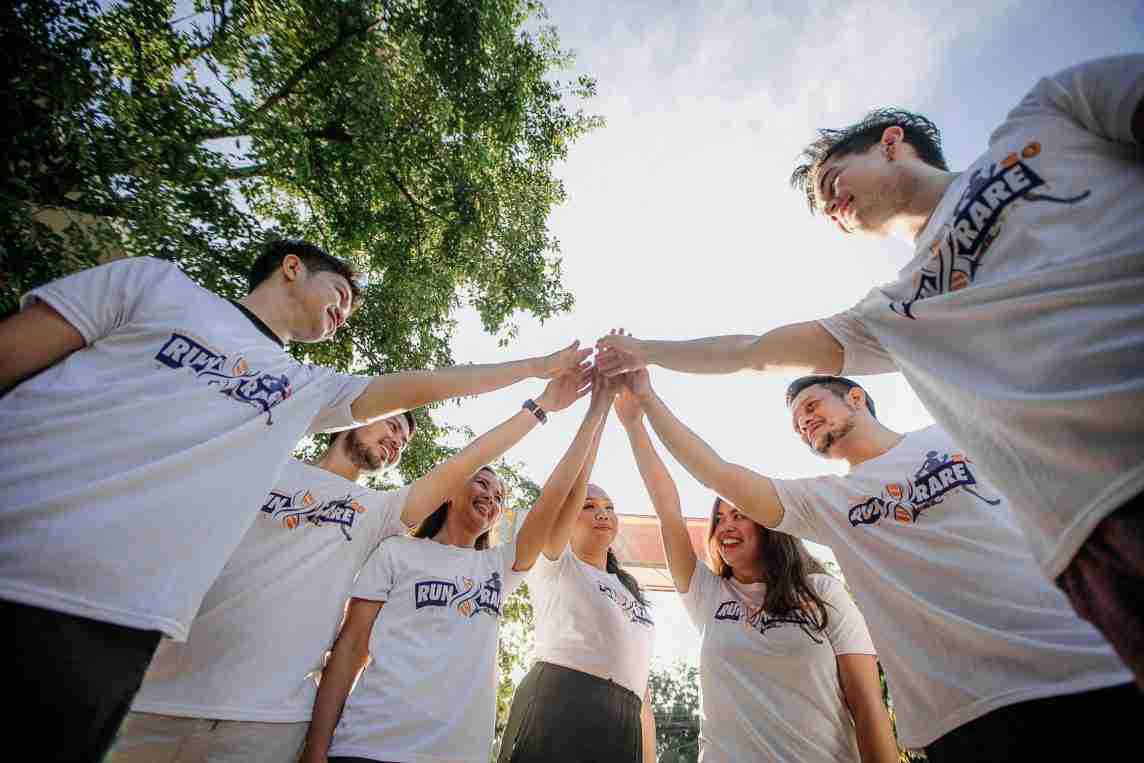
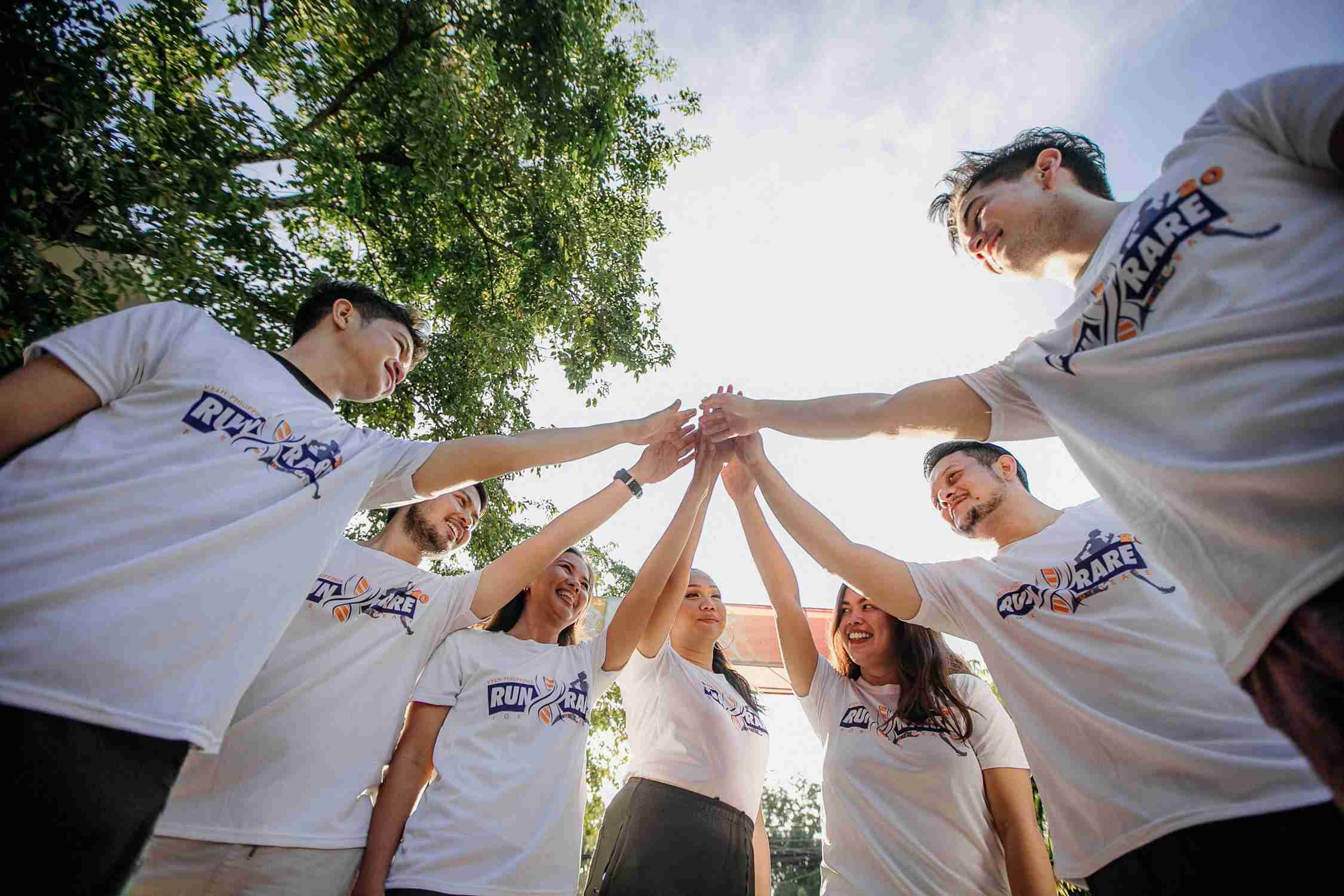
Free People Raising Their Hands Stock Photo
Corporate retreats offer a unique opportunity to strengthen team bonds, improve communication, and boost morale. By incorporating engaging and thoughtful team-building activities, you can foster collaboration and create a more unified workforce. Here are some effective team-building exercises that can elevate your corporate retreat experience:

1. Problem-Solving Challenges

  • Escape Room Games: These can either be physical escape rooms or virtual challenges. Teams must work together to solve puzzles and complete tasks to “escape” within a time limit. This activity encourages creative problem-solving, collaboration, and time management.
  • Survival Scenarios: Present teams with a survival scenario, such as being stranded on a desert island. Each group must prioritize a list of items to help them survive. This activity promotes teamwork, communication, and decision-making under pressure.
  • Build a Bridge: Divide teams and challenge them to build a functional bridge using simple materials like straws, tape, and paper. The goal is to create a bridge that can support a certain weight, fostering collaboration, critical thinking, and ingenuity.

2. Outdoor Adventures

  • Obstacle Courses: Outdoor obstacle courses are great for encouraging team support and physical activity. Participants must help one another through various physical challenges, building trust and camaraderie in the process.
  • Scavenger Hunts: Organize a scavenger hunt around your retreat location, incorporating clues that require teamwork to solve. Scavenger hunts promote exploration, communication, and healthy competition.
  • Zip Lining or Ropes Course: These high-adrenaline activities encourage employees to step outside of their comfort zones. Working together to complete these tasks helps foster trust, confidence, and support among team members.

3. Creative and Interactive Workshops

  • Cooking Challenge: Host a cooking competition where teams must work together to prepare a meal with limited ingredients or time. This promotes creativity, delegation, and collaboration under pressure.
  • Art and Design Workshops: Have teams collaborate on creating a large mural, sculpture, or vision board representing their shared goals or company values. This encourages creativity, open communication, and teamwork.
  • Improv Sessions: Improvisation workshops can be an entertaining way to develop quick thinking, listening, and collaboration. Participants take part in unscripted scenarios that encourage creativity and adaptability.

4. Trust-Building Exercises

  • Trust Falls: Though a classic, trust falls remain a powerful exercise. In pairs, participants take turns falling backward while their partner catches them. This builds trust and confidence in one another.
  • Blindfolded Navigation: In this activity, one team member is blindfolded and must navigate through a course with guidance from their teammates. This activity enhances communication and trust.
  • Minefield: Create an obstacle course or “minefield” and have blindfolded participants navigate through it based solely on verbal instructions from their teammates. This builds trust, listening skills, and teamwork.

5. Problem-Solving Simulations

  • The Marshmallow Challenge: Teams are given marshmallows, spaghetti, tape, and string, with the goal of building the tallest free-standing structure. This simple yet challenging exercise fosters teamwork, innovation, and creativity.
  • Building Blocks of Success: Give teams a set of building blocks or Lego bricks and challenge them to create a structure that represents the company’s values, mission, or future. This exercise stimulates creative thinking and fosters team collaboration.
  • Shark Tank Pitch: Teams are tasked with creating a fictional product or service and delivering a “Shark Tank”-style pitch. This activity encourages creativity, teamwork, and presentation skills, while also fostering competition and fun.

6. Communication and Collaboration Games

  • Two Truths and a Lie: In this icebreaker activity, each participant tells the group two truths and one lie about themselves. The team must guess which statement is false. This exercise is excellent for improving team communication and getting to know each other better.
  • Human Knot: Team members stand in a circle, grab random hands, and must work together to untangle themselves without letting go. This exercise promotes communication, problem-solving, and teamwork.
  • Role Reversal: Have employees temporarily switch roles with one another to gain insight into their colleagues’ daily responsibilities. This promotes empathy, understanding, and collaboration across departments.

7. Personality-Based Team Building

  • Personality Assessments (e.g., Myers-Briggs, DISC): Conduct personality assessments before the retreat, and then group participants based on their results. Discuss each personality type’s strengths and how they contribute to team dynamics. This improves self-awareness, empathy, and collaboration.
  • Strengths Finder Workshop: This activity focuses on identifying and leveraging each team member’s strengths. Teams can discuss how to best utilize these strengths in group projects and company initiatives, fostering a positive and supportive work environment.

8. Mindfulness and Relaxation Activities

  • Yoga or Meditation Sessions: Incorporating relaxation techniques like group yoga or guided meditation helps reduce stress and fosters a calm, focused mindset. It’s a great way to promote wellness and balance during a retreat.
  • Wellness Challenges: Organize wellness-focused activities such as step challenges, mindfulness exercises, or healthy eating workshops. These promote both physical and mental well-being while encouraging team participation and support.
  • Mindful Listening Exercises: Have participants sit in pairs and practice active, mindful listening by discussing specific topics without interruptions. This fosters better communication skills and a deeper understanding among team members.

9. Volunteer Work and Corporate Social Responsibility (CSR)

  • Group Volunteering: Organize a team-building activity that allows employees to give back to the community. Activities could include a beach cleanup, building homes for the needy, or volunteering at a local food bank. This strengthens bonds while promoting a sense of purpose.
  • Charity Challenges: Engage in a fundraising or charity challenge that encourages employees to work together for a cause. For example, organize a charity race or auction, where proceeds go to a charity that the team supports. This fosters collaboration and reinforces shared values.

10. Team Competitions and Fun Challenges

  • Trivia Competitions: Organize a trivia challenge on various topics (company history, pop culture, or industry knowledge). Team members must collaborate to answer questions, promoting teamwork, friendly competition, and fun.
  • Office Olympics: Set up fun physical or mental challenges and let teams compete for prizes. Activities could range from chair races and paper airplane contests to desk chair relays. Office Olympics foster team spirit and healthy competition.
  • Board Games or Card Games: Incorporating classic board games or strategic card games can encourage bonding while promoting problem-solving and critical thinking in a relaxed setting.

Conclusion

Effective team-building activities at corporate retreats can transform workplace relationships, promote a positive company culture, and improve communication and collaboration. By selecting activities that align with your team’s goals and personalities, you can create an enjoyable and productive retreat that strengthens bonds and motivates employees to work more cohesively in the office.

READ MORE


Recent Comments by Affordable Weddings Plus Events

    No comments by Affordable Weddings Plus Events

Back To TopBack To Top