Level Up Your Corporate Retreat with These Effective Team Building Activities
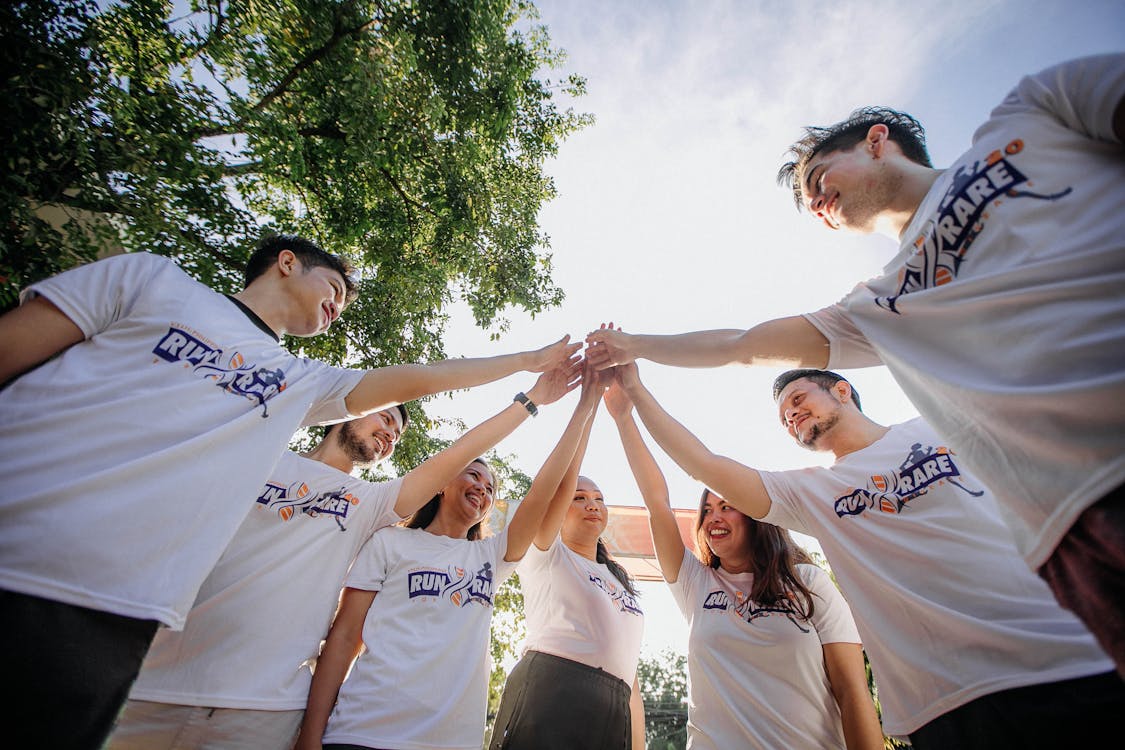
Corporate retreats offer a unique opportunity to strengthen team bonds, improve communication, and boost morale. By incorporating engaging and thoughtful team-building activities, you can foster collaboration and create a more unified workforce. Here are some effective team-building exercises that can elevate your corporate retreat experience:
1. Problem-Solving Challenges
- Escape Room Games: These can either be physical escape rooms or virtual challenges. Teams must work together to solve puzzles and complete tasks to “escape” within a time limit. This activity encourages creative problem-solving, collaboration, and time management.
- Survival Scenarios: Present teams with a survival scenario, such as being stranded on a desert island. Each group must prioritize a list of items to help them survive. This activity promotes teamwork, communication, and decision-making under pressure.
- Build a Bridge: Divide teams and challenge them to build a functional bridge using simple materials like straws, tape, and paper. The goal is to create a bridge that can support a certain weight, fostering collaboration, critical thinking, and ingenuity.
2. Outdoor Adventures
- Obstacle Courses: Outdoor obstacle courses are great for encouraging team support and physical activity. Participants must help one another through various physical challenges, building trust and camaraderie in the process.
- Scavenger Hunts: Organize a scavenger hunt around your retreat location, incorporating clues that require teamwork to solve. Scavenger hunts promote exploration, communication, and healthy competition.
- Zip Lining or Ropes Course: These high-adrenaline activities encourage employees to step outside of their comfort zones. Working together to complete these tasks helps foster trust, confidence, and support among team members.
3. Creative and Interactive Workshops
- Cooking Challenge: Host a cooking competition where teams must work together to prepare a meal with limited ingredients or time. This promotes creativity, delegation, and collaboration under pressure.
- Art and Design Workshops: Have teams collaborate on creating a large mural, sculpture, or vision board representing their shared goals or company values. This encourages creativity, open communication, and teamwork.
- Improv Sessions: Improvisation workshops can be an entertaining way to develop quick thinking, listening, and collaboration. Participants take part in unscripted scenarios that encourage creativity and adaptability.
4. Trust-Building Exercises
- Trust Falls: Though a classic, trust falls remain a powerful exercise. In pairs, participants take turns falling backward while their partner catches them. This builds trust and confidence in one another.
- Blindfolded Navigation: In this activity, one team member is blindfolded and must navigate through a course with guidance from their teammates. This activity enhances communication and trust.
- Minefield: Create an obstacle course or “minefield” and have blindfolded participants navigate through it based solely on verbal instructions from their teammates. This builds trust, listening skills, and teamwork.
5. Problem-Solving Simulations
- The Marshmallow Challenge: Teams are given marshmallows, spaghetti, tape, and string, with the goal of building the tallest free-standing structure. This simple yet challenging exercise fosters teamwork, innovation, and creativity.
- Building Blocks of Success: Give teams a set of building blocks or Lego bricks and challenge them to create a structure that represents the company’s values, mission, or future. This exercise stimulates creative thinking and fosters team collaboration.
- Shark Tank Pitch: Teams are tasked with creating a fictional product or service and delivering a “Shark Tank”-style pitch. This activity encourages creativity, teamwork, and presentation skills, while also fostering competition and fun.
6. Communication and Collaboration Games
- Two Truths and a Lie: In this icebreaker activity, each participant tells the group two truths and one lie about themselves. The team must guess which statement is false. This exercise is excellent for improving team communication and getting to know each other better.
- Human Knot: Team members stand in a circle, grab random hands, and must work together to untangle themselves without letting go. This exercise promotes communication, problem-solving, and teamwork.
- Role Reversal: Have employees temporarily switch roles with one another to gain insight into their colleagues’ daily responsibilities. This promotes empathy, understanding, and collaboration across departments.
7. Personality-Based Team Building
- Personality Assessments (e.g., Myers-Briggs, DISC): Conduct personality assessments before the retreat, and then group participants based on their results. Discuss each personality type’s strengths and how they contribute to team dynamics. This improves self-awareness, empathy, and collaboration.
- Strengths Finder Workshop: This activity focuses on identifying and leveraging each team member’s strengths. Teams can discuss how to best utilize these strengths in group projects and company initiatives, fostering a positive and supportive work environment.
8. Mindfulness and Relaxation Activities
- Yoga or Meditation Sessions: Incorporating relaxation techniques like group yoga or guided meditation helps reduce stress and fosters a calm, focused mindset. It’s a great way to promote wellness and balance during a retreat.
- Wellness Challenges: Organize wellness-focused activities such as step challenges, mindfulness exercises, or healthy eating workshops. These promote both physical and mental well-being while encouraging team participation and support.
- Mindful Listening Exercises: Have participants sit in pairs and practice active, mindful listening by discussing specific topics without interruptions. This fosters better communication skills and a deeper understanding among team members.
9. Volunteer Work and Corporate Social Responsibility (CSR)
- Group Volunteering: Organize a team-building activity that allows employees to give back to the community. Activities could include a beach cleanup, building homes for the needy, or volunteering at a local food bank. This strengthens bonds while promoting a sense of purpose.
- Charity Challenges: Engage in a fundraising or charity challenge that encourages employees to work together for a cause. For example, organize a charity race or auction, where proceeds go to a charity that the team supports. This fosters collaboration and reinforces shared values.
10. Team Competitions and Fun Challenges
- Trivia Competitions: Organize a trivia challenge on various topics (company history, pop culture, or industry knowledge). Team members must collaborate to answer questions, promoting teamwork, friendly competition, and fun.
- Office Olympics: Set up fun physical or mental challenges and let teams compete for prizes. Activities could range from chair races and paper airplane contests to desk chair relays. Office Olympics foster team spirit and healthy competition.
- Board Games or Card Games: Incorporating classic board games or strategic card games can encourage bonding while promoting problem-solving and critical thinking in a relaxed setting.
Conclusion
Effective team-building activities at corporate retreats can transform workplace relationships, promote a positive company culture, and improve communication and collaboration. By selecting activities that align with your team’s goals and personalities, you can create an enjoyable and productive retreat that strengthens bonds and motivates employees to work more cohesively in the office.

